|
| |||||||||
The Diseases
Salmonellosis
(sal-muh-nel-LOW-sis) Trichomoniasis
(trick-oh-mo-NYE-uh-sis)
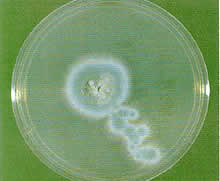
Aspergillosis
(as-per-jill-OH-sis) Avian
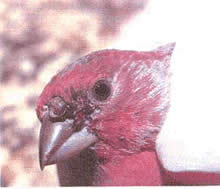
Pox The Disease Problems You can spot sick birds in a crowd. They are less alert and less active. They feed less and often cower on a feeder, reluctant to fly. Their feathers look ill-kept. Despite these obvious symptoms, disease usually is overlooked as a complication of feeding birds. Certainly, the signs of illness are not as easily noticed as bright colors and cheery songs; but being inconspicuous does not make disease unimportant. The Precautions against Disease
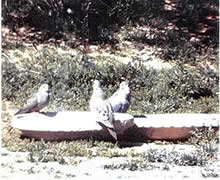
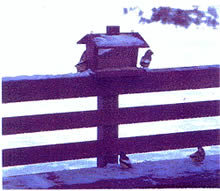
1. Give them space - Avoid crowding by providing ample feeder space. Lots of birds using a single feeder looks wonderful, but crowding is a key factor in spreading disease. If birds have to jostle each other to reach the food, they are crowded. This crowding also creates stress which may make birds more vulnerable to disease. 2. Clean up wastes - Keep the feeder area clean of waste food and droppings. A broom and shovel can accomplish a lot of good, but a vacuum such as you might use in your garage or workshop will help even more. 3. Make feeders safe - Provide safe feeders without sharp points or edges. Even small scratches and cuts will allow bacteria and viruses to enter otherwise healthy birds. 4. Keep feeders clean - Clean and disinfect feeders regularly. Use one part of liquid chlorine household bleach in nine parts of tepid water (a 10 percent solution) to disinfect. Make enough solution to immerse an empty, cleaned feeder completely for two to three minutes. Allow to air dry. Once or twice a month should do, but weekly could help more if you notice sick birds at your feeders. 5. Use good food - Discard any food that smells musty, is wet, looks moldy or has fungus growing on it. Disinfect any storage container that holds spoiled food and the scoop used to fill feeders from it. 6. Prevent contamination - Keep rodents out of stored food. Mice can carry and spread some bird diseases without being affected themselves. 7. Act early - Don't wait to act until you see sick or dead birds. With good prevention you'll seldom find sick or dead birds at your feeders. 8. Spread the word - Encourage your neighbors who feed birds to follow the same precautions. Birds normally move among feeders and can spread diseases as they go. The safest birdfeeders will be those in communities where neighbors cooperate with equal concern for the birds. The Complete Story
Just because bird feeding is not problem-free does not mean that it is bad or should be stopped. It does mean you have an ethical obligation not to jeopardize wild birds. What is called for is intelligent bird feeding. Follow the precautions listed above, and you can continue to enjoy feeding healthy wild birds. Bird feeding seems like the perfect out-door activity. People can learn a lot while they enjoy helping birds. As ideal as bird feeding may seem, it carries some risk for birds that visit the feeders and some responsibility for people who do the feeding. | |||||||||
| |||||||||